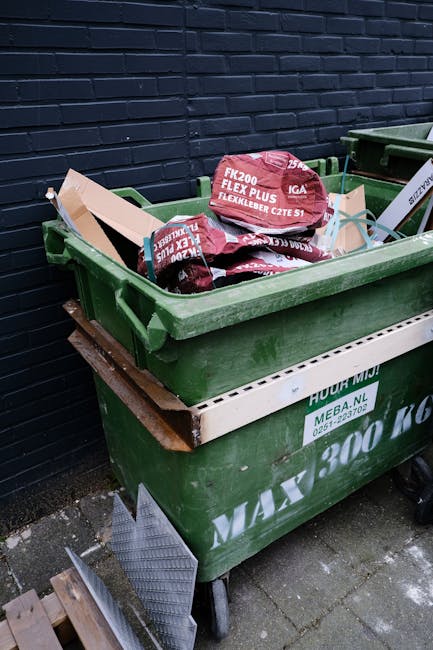
Enfield loft removals recycling and responsible disposal service
If your loft in Enfield has turned into that awkward space full of boxes, old furniture, broken suitcases, seasonal decorations, and things you meant to sort "next weekend", you are not alone. A good Enfield loft removals recycling and responsible disposal service is designed for exactly that kind of job: clearing bulky, dusty, hard-to-reach items without simply tipping everything into a skip and hoping for the best.
The real value here is simple. You want the loft cleared properly, useful items kept in circulation where possible, and anything that cannot be reused handled responsibly. That means recycling, donation-aware sorting, and lawful disposal that keeps you out of trouble and saves you a lot of hassle. Truth be told, lofts are rarely neat little jobs. They are often cramped, awkward, and a bit of a test of patience.
This guide walks through how the service works, when it makes sense, what to look out for, and how to avoid the common mistakes people make when clearing a loft in Enfield. If you are comparing options, you will also find practical guidance on costs, compliance, and best practice.
Table of Contents
- Why Enfield loft removals recycling and responsible disposal service Matters
- How Enfield loft removals recycling and responsible disposal service Works
- Key Benefits and Practical Advantages
- Who This Is For and When It Makes Sense
- Step-by-Step Guidance
- Expert Tips for Better Results
- Common Mistakes to Avoid
- Tools, Resources and Recommendations
- Law, Compliance, Standards, or Best Practice
- Options, Methods, or Comparison Table
- Case Study or Real-World Example
- Practical Checklist
- Conclusion
- Frequently Asked Questions
Why Enfield loft removals recycling and responsible disposal service Matters
Loft clearance is not just a matter of shifting things from one space to another. It often involves a mix of bulky furniture, boxed household items, old insulation offcuts, broken ornaments, papers, toys, and the odd surprise item that should have been dealt with years ago. When that material is removed carefully and sorted properly, a lot of it can avoid landfill or unnecessary waste transfer.
That matters for a few reasons. First, it helps reduce environmental impact. Second, it keeps your property cleaner and safer. Dust, damaged packaging, unstable piles, and heavy items balanced awkwardly on joists can be more than annoying; they can be risky. And third, responsible disposal gives you peace of mind. Nobody wants to wonder later whether the old chest of drawers ended up somewhere it should not have.
In a busy part of London like Enfield, where access can be tight and parking can be a headache, doing the job properly also saves time. A team that understands loft clearances will plan for stairs, low headroom, fragile flooring, and how to move items without knocking plaster off on the way down. Little detail? Maybe. But those details are usually the difference between a smooth clearance and a very long afternoon.
Expert summary: The best loft clearance is not the fastest one. It is the one that separates reusable items, recycles what can be recycled, disposes of the rest lawfully, and leaves the property safe and tidy. Simple, but not always easy.
Responsible disposal also supports better local outcomes overall. Items that can be reused should be kept in use. Items that can be recycled should be handled in a way that gives them a second life. And items that must be discarded should be taken to the appropriate facilities or waste streams. That is the whole point, really.
How Enfield loft removals recycling and responsible disposal service Works
Most loft removal and disposal services follow a similar pattern, though the quality of execution varies. At a practical level, the process begins with an assessment of what is stored in the loft, how easy it is to access, and whether any items need special handling. A box of books is one thing. A heavy wardrobe balanced at the top of a narrow staircase is another matter entirely.
Here is the usual flow:
- Initial discussion or quote: You describe the size of the loft, the type of contents, and any access issues. Photos help a lot, especially when the space looks deceptively small from the hatch.
- Planning and sorting: Items are grouped into reuse, recycling, and disposal categories. This step is where a responsible provider adds real value.
- Careful removal: The team moves items out safely, using the right lifting technique and suitable equipment. Loft jobs often need patience more than speed.
- Transport and processing: Items are taken away for recycling, re-use channels, or disposal. Good practice is to keep waste streams separated where possible.
- Final tidy-up: The area is left swept or cleaned to a sensible standard, depending on the agreement.
In some cases, the service is part of a wider move or property clear-out. If you are already arranging a larger removal, a provider such as removal services or man with van can sometimes combine the loft clearance with other transport needs. That can be especially useful if you are also dealing with garage items, spare furniture, or household overflow.
The best providers will also think ahead. For example, if the loft contains old wardrobes or sofa pieces that can be reused, they may separate them early so they do not get damaged on the way downstairs. That sounds obvious, but in practice it is often the step that gets rushed. And then everybody pays for it, one way or another.
Key Benefits and Practical Advantages
There are several reasons people choose a loft clearance service with recycling and responsible disposal built in rather than trying to do it themselves.
- Less physical strain: Loft spaces are awkward. Heavy boxes, steep ladders, and low beams do not exactly encourage a calm Sunday morning.
- Better sorting of materials: A good team can identify items that belong in recycling or reuse streams rather than general waste.
- Cleaner and safer property: Clearing a loft can reduce trip hazards, dust buildup, and the risk of items falling or shifting.
- Time savings: What might take you multiple journeys and a lot of head-scratching can often be handled in one organised visit.
- More responsible environmental outcome: Reuse and recycling keep valuable materials in circulation for longer.
- Less stress when moving or renovating: If you are preparing for a sale, refurbishment, or insulation work, an empty loft makes everything easier.
There is also a subtler benefit: a proper clear-out helps you decide what actually matters. When items have sat in a loft for years, they can feel more important than they are. Once the space is sorted, you often realise half the load was keeping you tied to clutter rather than value. A bit dramatic? Perhaps. But true enough.
For homeowners comparing broader moving help, pairing a loft clearance with home moves or house removals can make the whole process feel more manageable. If you only need the small stuff shifted, a simpler man and van approach may be enough.
Who This Is For and When It Makes Sense
This service is useful for a wide range of people, not just those in the middle of moving house. In fact, loft removals are often most valuable when the loft has been neglected for a while and the amount of material has quietly grown into a proper project.
You may need it if you are:
- preparing a property for sale or letting
- clearing space for insulation, roof work, or loft conversion
- moving home and do not want to carry forgotten items into the next place
- sorting a relative's property and need help with bulky or mixed contents
- dealing with years of stored furniture, paperwork, boxes, and seasonal items
- trying to dispose of items in a way that feels more responsible than a standard bulk-waste dump
It also makes sense if access is difficult. Many lofts have narrow staircases, limited turning space, or awkward parking nearby. Enfield properties vary a lot, from older terraces to flats and converted houses, so local experience really helps. A team used to flat removals and tighter access usually understands how to move items without damage or fuss.
If the job involves only one or two pieces of furniture, you might not need a full clearance. On the other hand, if the loft is packed wall to wall, trying to DIY the whole thing can become exhausting very quickly. Let's face it, most lofts are full of things that are both awkward and strangely sentimental. That combination can slow anybody down.
Step-by-Step Guidance
If you are planning a loft clearance in Enfield, a structured approach makes the work easier and usually cheaper. Here is a practical way to think about it.
1. Identify what is in the loft
Make a rough list of the main categories: furniture, boxes, clothing, books, decorations, electrical items, and anything fragile or hazardous. You do not need a museum-quality inventory. Just enough to understand the scale of the job.
2. Separate keep, reuse, recycle, and dispose
This is where a lot of time can be saved. Keep what you genuinely want. Set aside useful items for donation or reuse. Recycle what can be recycled. Dispose of the rest responsibly. The clearer the categories, the easier the removal becomes.
3. Check access and parking
Measure the hatch, stair width, and any awkward bends if needed. In some streets, parking is easy enough. In others, not so much. If you are unsure about local restrictions, a provider familiar with Enfield can help you plan the timing and vehicle access more sensibly. A small detail, but a very useful one.
4. Ask about handling and disposal routes
Not every service deals with recycling in the same way. Ask how reusable items are separated, what materials are recycled, and how waste is processed after collection. A good answer should be clear, practical, and not full of waffle.
5. Confirm the final scope before work starts
Make sure the quote reflects the actual items, the access conditions, and any extra labour needed. If the loft contains particularly heavy or awkward pieces, mention them upfront. Surprises are rarely fun when someone is standing halfway up a loft ladder.
6. Clear the route
Before the team arrives, make sure the path from loft to outside is as open as possible. Remove loose items from stairways, hallways, and landings. It sounds minor, but it can make the whole job smoother and safer.
7. Review the end result
Check that the agreed items have gone, the loft is left tidy, and any promised recycling or responsible disposal steps have been carried out. That final check matters. It keeps everyone accountable and gives you confidence that the job was done properly.
Expert Tips for Better Results
After seeing how loft jobs tend to unfold, a few patterns become obvious.
- Photograph the loft before anything moves. It helps with quoting and avoids confusion if the contents are more extensive than they first appeared.
- Label boxes before the team arrives. Even rough labels like "keep", "donate", or "dispose" make a difference.
- Keep fragile items separate. Old framed photos, mirrors, and ornaments do not always survive being tucked between heavier objects.
- Ask about recycling rates in plain English. You do not need a technical lecture. Just ask what proportion of the load is expected to be reused or recycled, and what happens to the remainder.
- Schedule the work before a bigger project starts. If you are having insulation replaced or a loft converted, clear it first. It saves backtracking later.
- Do not assume every old item is waste. Some furniture, boxes, and household items can still be reused, even if they look tired at first glance.
A small but useful tip: keep a bin bag or two nearby for the odd loose item you know you want to throw away. The little bits tend to scatter everywhere otherwise. Socks, cables, random screws. The usual suspects.
If the loft clearance is part of a wider move, combining it with services such as packing and unpacking services or packing and boxes can reduce the number of separate tasks you need to manage. That is often worth more than people expect.
Common Mistakes to Avoid
Most loft clearance headaches come from the same handful of avoidable mistakes. None are dramatic on their own, but together they can turn a straightforward job into a frustrating one.
- Leaving the sorting until the last minute: Mixed piles slow everything down.
- Underestimating the weight: Boxes filled with books, paper archives, or old magazines can be much heavier than they look.
- Forgetting access issues: Narrow staircases and low roofs matter more than people think.
- Choosing price alone: The cheapest quote is not always the best value if disposal is careless or communication is poor.
- Not asking where items go: Responsible disposal should be explainable, not mysterious.
- Trying to rush fragile or awkward items: That is how damage happens. Sometimes the slow way is the smart way.
Another common issue is assuming everything should go out in one go without considering reuse or recycling. To be fair, people are often just keen to get the loft back. But if you skip the sorting stage entirely, you can end up paying to dispose of items that could have been kept in circulation. That is a missed opportunity, especially for decent furniture or usable household goods.
Tools, Resources and Recommendations
You do not need a warehouse full of kit to prepare for a loft clearance, but a few basic tools and habits make the process easier.
| Useful item | Why it helps | Practical note |
|---|---|---|
| Strong boxes | Keep small items grouped and easier to carry | Do not overfill with books; that becomes brutal fast |
| Labels or marker pens | Makes sorting faster | Use simple labels: keep, donate, recycle, dispose |
| Dust sheets | Helps protect stairs and landings | Useful in older homes where dust moves everywhere |
| Gloves | Protects hands from sharp edges and grime | Old loft boxes can be surprisingly rough |
| Phone camera | Good for photos, quotes, and keeping a record | A few clear pictures are better than a long explanation |
From a service perspective, it helps to work with a provider that is transparent about collection, handling, and disposal. Pages such as recycling and sustainability, insurance and safety, and health and safety policy can give you a better sense of what the business stands for and how it approaches risk and environmental care.
You may also want to look at pricing and quotes before booking. A clear quote is often a sign that the company understands the work properly and is less likely to spring nasty surprises on the day.
Law, Compliance, Standards, or Best Practice
When loft clearance involves waste removal, compliance and best practice matter. The exact legal details can vary depending on what is being taken away, how it is classified, and who is handling it. You do not need to become a waste law specialist, but you should expect a responsible provider to work within accepted UK standards and to deal with waste in a lawful and traceable way.
In practical terms, that means using a provider that can explain where waste goes, how recyclable materials are separated, and how any restricted items are handled. Certain things may need special care, especially if they include electricals, hazardous materials, or sharp broken items. Old paint tins, for example, are not something you want mixed casually into general rubbish. Common sense helps here, although common sense is not always common, oddly enough.
Best practice also includes protecting the property during removal, managing lifting risks, and ensuring that items are not dumped illegally. A well-run service should take that seriously. If a provider seems vague about disposal or reluctant to answer questions, treat that as a warning sign.
It is also sensible to keep records for your own peace of mind, particularly if the clearance is linked to a property sale, tenancy change, or refurbishment. A note of what was removed and when can be useful later. Nothing fancy. Just enough to show the job was properly handled.
Options, Methods, or Comparison Table
Not every loft clearance needs the same approach. The best method depends on the amount of stuff, how quickly you need it done, and how much sorting you want to do yourself.
| Method | Best for | Pros | Trade-offs |
|---|---|---|---|
| DIY clearance | Very small loads and easy access | Can be low-cost if you already have transport | Time-consuming, physically demanding, and easy to mis-sort waste |
| Man and van collection | Moderate loads, quick turnaround, mixed items | Flexible, efficient, often good for bulky pieces | May not include deep sorting unless arranged in advance |
| Full loft clearance service | Large, cluttered, or awkward lofts | Less stress, better handling, more complete recycling and disposal | Usually costs more than doing it yourself |
| Part-clearance with sorting | When you want to keep, donate, recycle, and dispose of different items | Balanced approach, useful for careful decluttering | Takes a bit more planning up front |
For many households in Enfield, the sweet spot is a flexible removal service that can deal with mixed items and take a sensible approach to recycling. If the job is very specific, such as a single bulky item from the loft, furniture pick up or furniture removals may be more appropriate. If the amount is larger or the access is awkward, a broader removal option is usually better value.
Case Study or Real-World Example
Picture a typical Enfield loft: boxes from two house moves ago, a disassembled bed frame, some old children's toys, a few lamps, holiday decorations, and several bags of mixed household items that nobody has touched in years. The access is tight. The loft hatch is small. The staircase has one awkward turn. Nothing impossible, just fiddly.
In a case like this, the sensible approach is to sort the contents before removal begins. The bed frame might be reusable. Some toys may be in good enough condition to keep out of waste. Decorations can often be boxed and reused. The broken lamp goes for responsible disposal. Mixed paper and cardboard are separated where practical. A few items are simply too tired to keep and are removed with the rest.
What makes the process work well is not heroics. It is method. A tidy route, clear labels, sensible lifting, and disposal routes that match the material type. That is what a good Enfield loft clearance service should feel like. Not flashy. Just calm, organised, and reassuring.
And yes, the relief when the loft door opens to empty space is real. You notice the echo first. Then the light. Then the fact that you can finally stand up properly without ducking every two seconds.
Practical Checklist
Use this checklist before the team arrives or before you start sorting on your own.
- Take photos of the loft contents
- Identify any items you want to keep
- Set aside reusable items separately from waste
- Check whether there are heavy, fragile, or awkward pieces
- Clear the staircase, landing, and hallway
- Confirm parking or access arrangements
- Ask how recycling and disposal will be handled
- Confirm the quote and what is included
- Make sure valuable or sentimental items are removed first
- Review the loft after the job is completed
If you want a simple rule of thumb: if it can be reused, keep it out of the general waste stream; if it can be recycled, separate it where possible; if it must be disposed of, make sure the route is lawful and sensible. That is the whole game, really.
For anyone planning a larger move around the same time, it can also be useful to look at removals, house removalists, or even same day removals if timing is tight and everything needs to happen quickly.
Get a free quote today and see how much you can save.
Conclusion
An Enfield loft removals recycling and responsible disposal service is about much more than shifting clutter. Done properly, it gives you back space, reduces waste, and removes the stress of dealing with awkward, heavy, or forgotten items on your own. It also gives you confidence that reusable items are treated with respect and the rest is handled properly.
If you are getting ready to renovate, move, downsize, or simply reclaim a loft that has quietly become a storage dump, a careful clearance service is one of those decisions that pays off almost immediately. The room feels bigger. The house feels lighter. And, oddly enough, your head can feel a bit lighter too.
Take your time, ask sensible questions, and choose a service that treats recycling and disposal as part of the job, not an afterthought. That is usually where the real value lives.
Frequently Asked Questions
What does an Enfield loft removals recycling and responsible disposal service include?
It usually includes sorting loft contents, removing bulky or mixed items, separating recyclable or reusable materials where possible, and disposing of the remaining waste responsibly. The exact scope depends on the size of the loft and access conditions.
Can old loft items be recycled?
Some can, yes. Common recyclable items may include cardboard, certain metals, some plastics, and reusable furniture components. Mixed or damaged materials may need to go through different waste routes, so it depends on the item and condition.
Do I need to clear the loft myself before collection?
Not usually, although basic sorting helps a lot. If you can separate keep, donate, recycle, and dispose items in advance, the process is faster and usually more efficient. If not, a good service should still be able to help.
How do I know if a disposal service is responsible?
Ask how waste is handled, whether recyclable materials are separated, and where items are taken. A responsible provider should be clear and practical in its explanation, not vague or evasive.
Is loft clearance suitable for bulky furniture?
Yes, if the provider is set up for it. Bulky wardrobes, bed frames, and shelving can often be removed safely, though access and stair layout matter. Sometimes a furniture-specific pickup is the better fit.
What if my loft has very limited access?
Limited access is common in Enfield homes, especially older properties and conversions. It is best to mention stair width, hatch size, low beams, or tight corners before booking so the team can plan properly.
How long does a loft clearance usually take?
It depends on the amount of content, access, and how much sorting is needed. A small loft may be handled quickly, while a packed or awkward loft can take much longer. A proper assessment is the safest way to estimate timing.
Will everything be thrown away?
No, not if the service is doing its job well. Usable items may be kept for reuse, and materials suitable for recycling should be separated where practical. Responsible clearance is about reducing waste, not just moving it around.
Can loft removal be combined with a house move?
Absolutely. Many people clear the loft at the same time as a wider move so they do not transport unwanted items to the next property. It is often the tidiest and least stressful approach.
What should I ask for in a quote?
Ask what is included, whether labour, sorting, transport, and disposal are covered, and whether access difficulties could change the price. Clear quotes help avoid surprises later.
Is this service only for large clear-outs?
No. It can be useful for a single bulky item, a partial tidy-up, or a full loft clearance. If the items are awkward, heavy, or difficult to dispose of yourself, even a smaller job can justify professional help.
What happens to sentimental items found in the loft?
Those should be set aside before the clearance starts. Old photos, documents, and keepsakes can get mixed into waste surprisingly easily if the loft is being cleared quickly. A good habit is to remove anything personal first, then deal with the rest.